Nine hundred years to rediscover

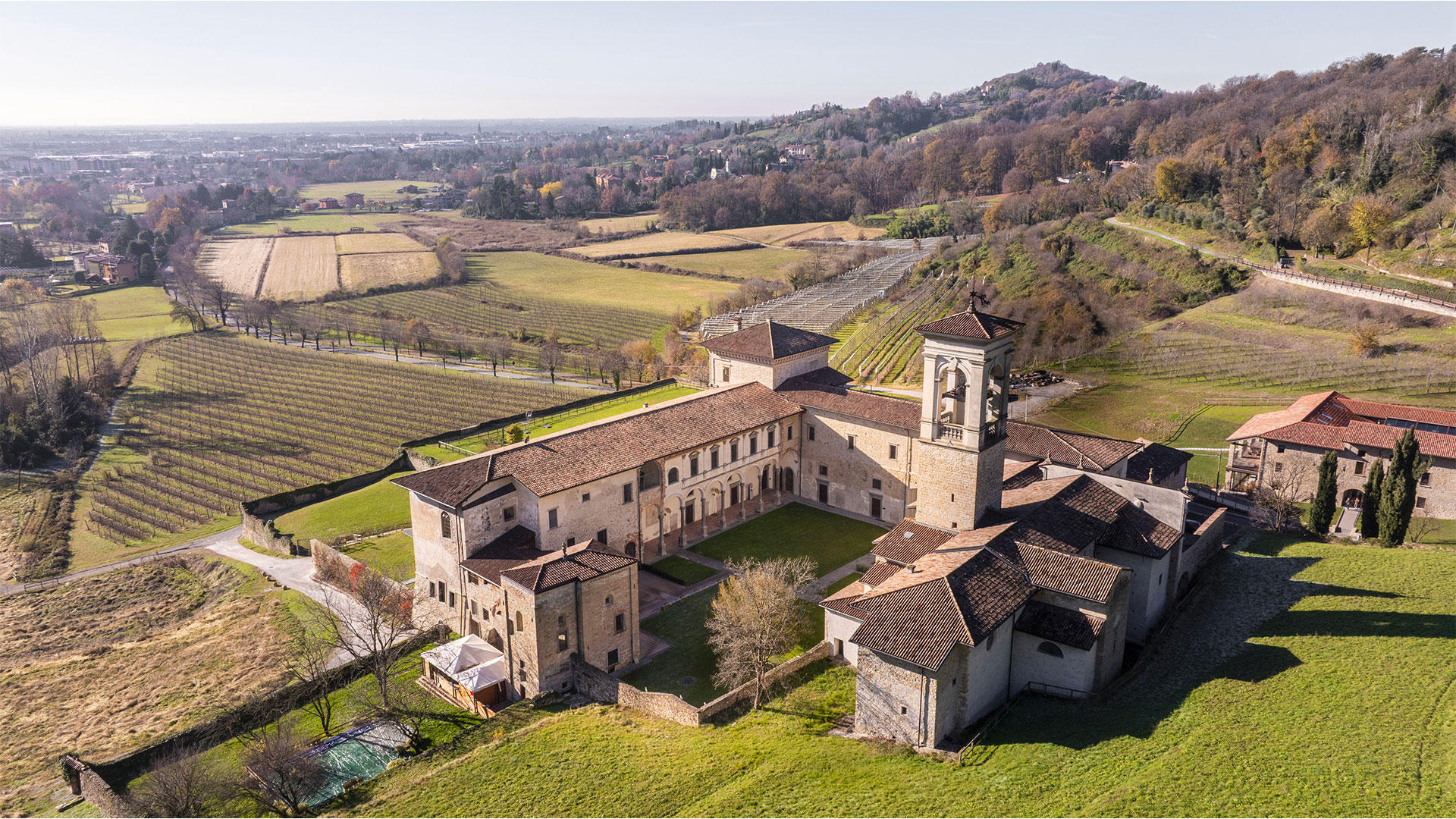
Nestled in the tranquillity of the Astino Valley, in the heart of the Colli di Bergamo Park, the monastery boasts over nine centuries of history. Founded in 1107 to welcome Vallombrosan monks, defenders of ecclesiastical reform, it soon became a place of spirituality, work and hospitality, a point of reference for the entire Bergamo area.

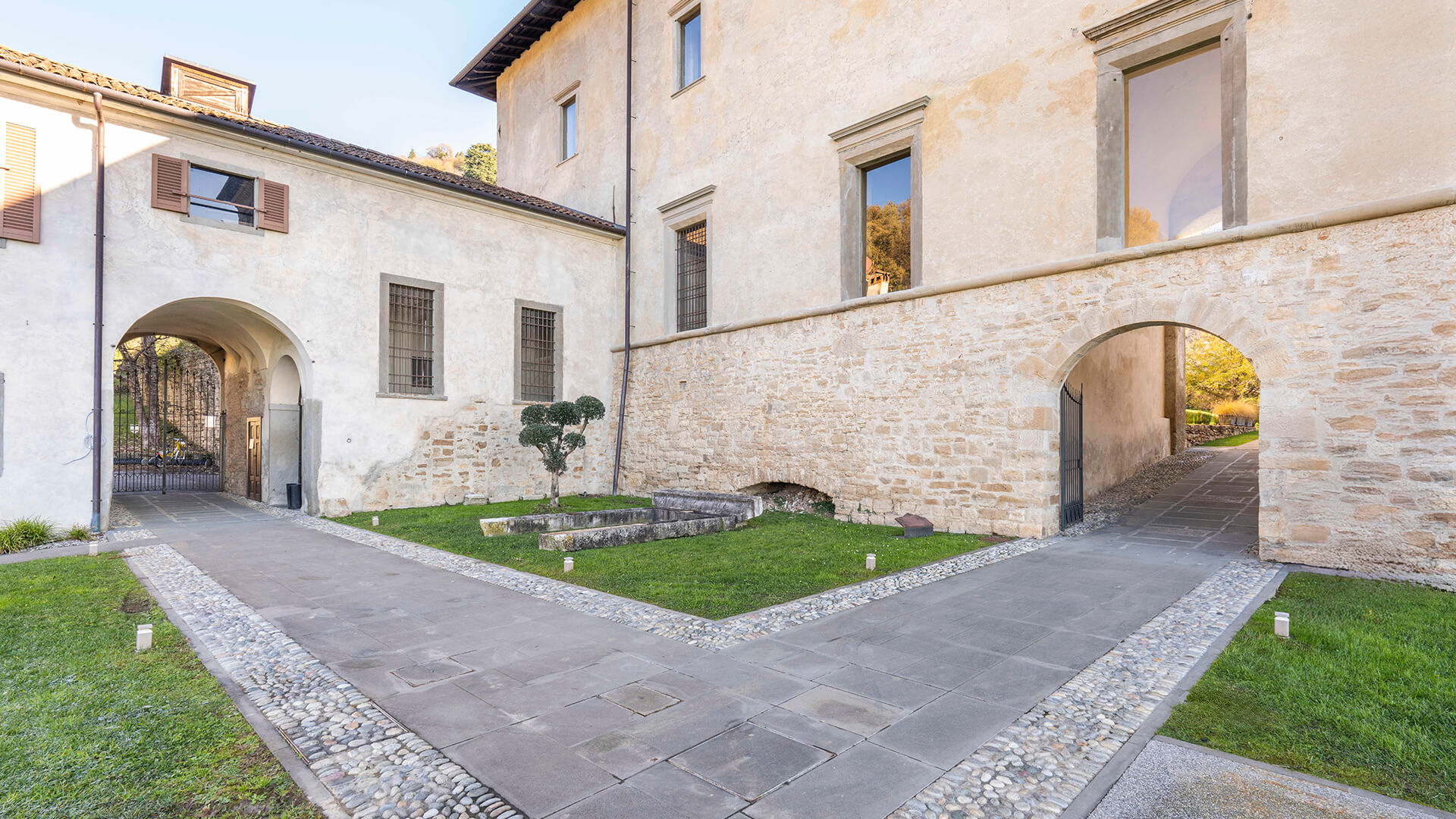
Rebuilt in the 16th century with the elegance of the great Tuscan abbeys, it went through centuries of splendour, decline and transformation. Today, thanks to restoration work that has brought its rooms and frescoes back to life, the monastery of Astino has been revived: a place where history, art and nature harmonise, offering visitors an authentic and timeless experience.

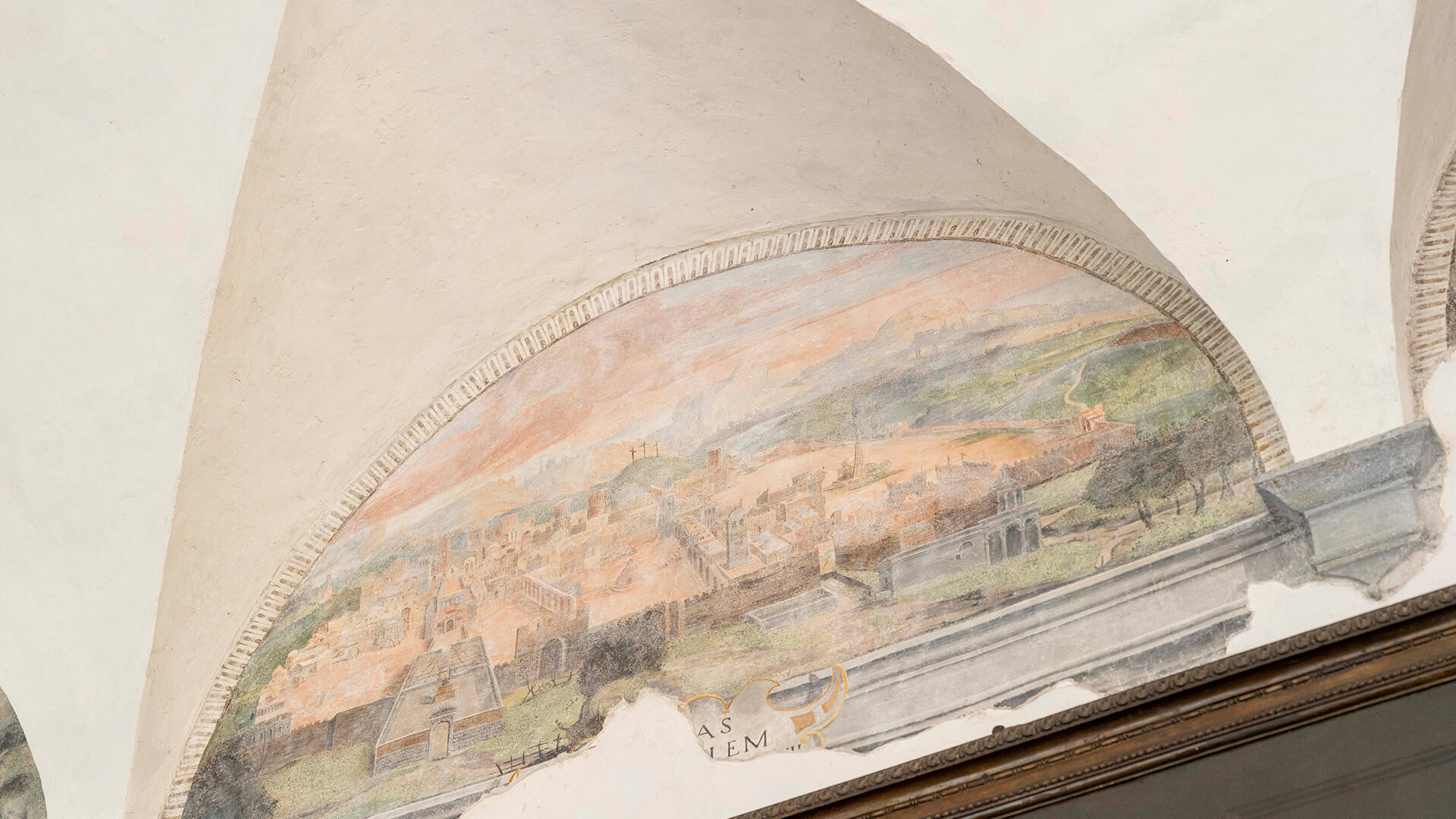
img affresco monastero di astino
1107

The origins.

The parchments document the first purchase of land intended for the construction of a monastery. Pietro Giovanni Celsonis from Bergamo sells a vineyard and cultivated land to Bonifacio, a goldsmith from the city, for 15 pounds of silver.

This transaction marks the beginning of the Vallombrosan presence in the area, which was to last for centuries.

1142

The hospital.

Sources mention a ‘hospital and consortium of S. Sepolcro d’Astino’. The income from monastic property and almsgiving was used to care for the sick and support the poor. The institution reflected the charitable vocation of the monks, which was already active in the 12th century.

The hospital reinforced the monastery’s role as a social and religious reference point for the local community.

1240

The guest of honour.

The Bishop of Brescia, Guala de’ Roniis, a direct disciple of St. Dominic, was forced into exile and found refuge in Astino. His choice reinforced the monastery’s status as a centre of spirituality and protection, consolidating its prestige in the region.

Abbot Alessandro had a tower built on the eastern side of the cloister, equipped with rooms and a chapel for use by the illustrious guest. In ancient documents, this tower was referred to as Palatium.

1428

The Serenissima.

The annexation of Bergamo to Venetian rule marked the beginning of a new political and administrative era. The Peace of Ferrara sanctioned the start of a review of religious and civil institutions, which also had an impact on monastic life.

The Republic appointed a commission with full powers to recover and manage the monasteries, in agreement with the religious superiors. This phase marked the first major reorganisation of Astino under the control of the Serenissima.

1500

The renewal.

Con l’inizio del XVI secolo il monastero conosce un importante sviluppo edilizio e funzionale. Si completano l’ala est e le sale interne dell’ala sud, mentre si costruisce la torre angolare. Sopra la cappella del Beato Guala, trasformata in camerlingheria, l’abate Calisto Solari fa costruire una colombaia.

Il campanile viene spostato lateralmente sul fianco sud, rispetto alla sede originaria al centro del presbiterio. Viene completato il muro esterno verso la porta principale, consolidando la struttura difensiva e architettonica del complesso.


At the beginning of the 16th century, the monastery underwent significant construction and functional development. The east wing and the interior rooms of the south wing were completed, while the corner tower was built. Above the chapel of Blessed Guala, which had been converted into a chamberlain’s office, Abbot Calisto Solari had a dovecote built.

The bell tower was moved to the south side, from its original position in the centre of the presbytery. The external wall towards the main door was completed, consolidating the defensive and architectural structure of the complex.

1630

The crisis.

La pestilenza del 1630 colpisce duramente la Valle di Astino: dei quaranta contadini che la abitavano ne sopravvivono solo tre, e gran parte dei monaci soccombe al contagio.

Questo evento segna un periodo drammatico, ma la comunità monastica riesce a mantenere la propria presenza nel territorio.


The plague of 1630 hit the Astino Valley hard: of the forty peasants who lived there, only three survived, and most of the monks succumbed to the contagion.

This event marked a dramatic period, but the monastic community managed to maintain its presence in the area.

1705

Big changes.

L’antica cappella, insufficiente alle esigenze di culto, viene demolita e ricostruita secondo un nuovo progetto.

La Repubblica di Venezia promulga la legge sulla riforma dei regolari: per Astino significa la separazione dalla Congregazione di Vallombrosa. Questo momento segna una cesura con le sue radici storiche e culturali, pur mantenendo viva la vita spirituale del monastero.


The old chapel, which was no longer adequate for worship, was demolished and rebuilt according to a new design.

The Republic of Venice enacted a law reforming religious orders: for Astino, this meant separation from the Vallombrosa Congregation. This moment marked a break with its historical and cultural roots, while keeping the spiritual life of the monastery alive.

1797

The suppression.

The monastery of Astino was suppressed along with that of S. Paolo d’Argon. By order of Napoleon and with municipal approval, its assets were assigned to the Civil Hospital of Bergamo.

The hospital also took on the maintenance of the church, continuing to preserve the structure and memory of the place.

1830

The reuse.

The Lombardy government decrees the transfer of psychiatric patients from Maddalena to Astino. The renovation work largely respects the original structure of the monastery.

On 7 November 1832, Astino welcomes 195 patients, re-establishing its link with the life of the city.

1880

The new destination.

The former monastery, gardens and church were purchased by the Province, which then transferred them to the Ospedale Maggiore hospital.

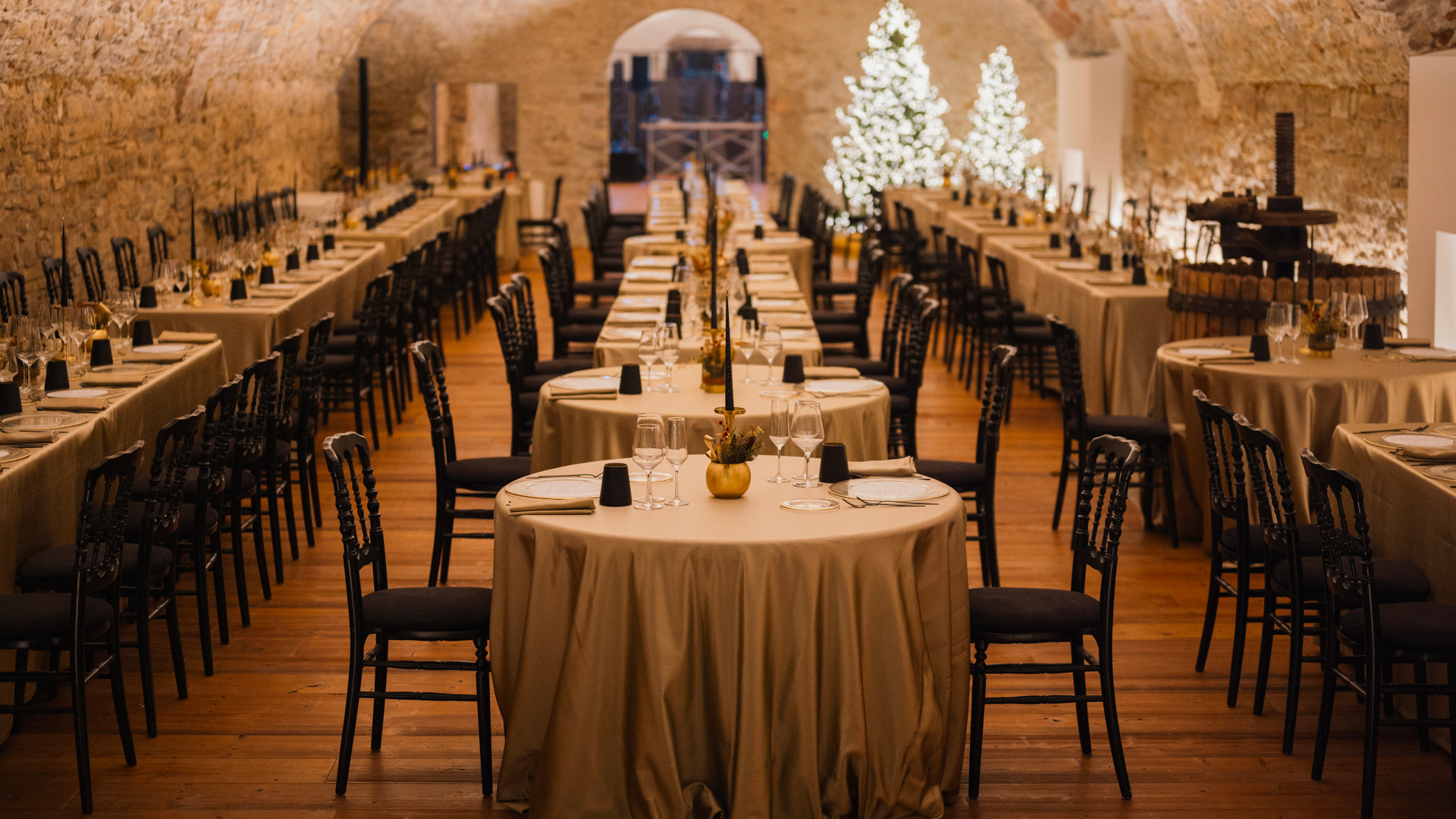
Plans were made to expand the hospital, while the Psychiatric Hospital resumed operations in 1892. Most of the complex, with the exception of the cellars and wine vats, remained unused.

1900

The protection of monuments.

The former monastery is included in the list of monumental buildings (Law No. 364/1909). The complex is leased for agricultural use.

1977

The park.

The Astino Valley becomes part of the newly established Colli di Bergamo Regional Park and is subject to environmental protection and conservation regulations.

2007

The recovery.

The MIA Foundation is launching the restoration and enhancement of the Astino Monastery. The project includes research, analysis, sharing and conservation work on the spaces and frescoes.

The aim is to restore the historical and cultural beauty of the complex to the public.

2015

The reopening.

The renovation and restoration work is completed in time for Expo 2015.

The monastery reopens, offering spaces for events, cultural visits and activities related to history, art and nature.

The origins.

The parchments document the first purchase of land intended for the construction of a monastery. Pietro Giovanni Celsonis from Bergamo sells a vineyard and cultivated land to Bonifacio, a goldsmith from the city, for 15 pounds of silver.

This transaction marks the beginning of the Vallombrosan presence in the area, which was to last for centuries.

The hospital.

Sources mention a ‘hospital and consortium of S. Sepolcro d’Astino’. The income from monastic property and almsgiving was used to care for the sick and support the poor. The institution reflected the charitable vocation of the monks, which was already active in the 12th century.

The hospital reinforced the monastery’s role as a social and religious reference point for the local community.

The guest of honour.

The Bishop of Brescia, Guala de’ Roniis, a direct disciple of St. Dominic, was forced into exile and found refuge in Astino. His choice reinforced the monastery’s status as a centre of spirituality and protection, consolidating its prestige in the region.

Abbot Alessandro had a tower built on the eastern side of the cloister, equipped with rooms and a chapel for use by the illustrious guest. In ancient documents, this tower was referred to as Palatium.

The Serenissima.

The annexation of Bergamo to Venetian rule marked the beginning of a new political and administrative era. The Peace of Ferrara sanctioned the start of a review of religious and civil institutions, which also had an impact on monastic life.

The Republic appointed a commission with full powers to recover and manage the monasteries, in agreement with the religious superiors. This phase marked the first major reorganisation of Astino under the control of the Serenissima.

The renewal.

Con l’inizio del XVI secolo il monastero conosce un importante sviluppo edilizio e funzionale. Si completano l’ala est e le sale interne dell’ala sud, mentre si costruisce la torre angolare. Sopra la cappella del Beato Guala, trasformata in camerlingheria, l’abate Calisto Solari fa costruire una colombaia.

Il campanile viene spostato lateralmente sul fianco sud, rispetto alla sede originaria al centro del presbiterio. Viene completato il muro esterno verso la porta principale, consolidando la struttura difensiva e architettonica del complesso.


At the beginning of the 16th century, the monastery underwent significant construction and functional development. The east wing and the interior rooms of the south wing were completed, while the corner tower was built. Above the chapel of Blessed Guala, which had been converted into a chamberlain’s office, Abbot Calisto Solari had a dovecote built.

The bell tower was moved to the south side, from its original position in the centre of the presbytery. The external wall towards the main door was completed, consolidating the defensive and architectural structure of the complex.

The crisis.

La pestilenza del 1630 colpisce duramente la Valle di Astino: dei quaranta contadini che la abitavano ne sopravvivono solo tre, e gran parte dei monaci soccombe al contagio.

Questo evento segna un periodo drammatico, ma la comunità monastica riesce a mantenere la propria presenza nel territorio.


The plague of 1630 hit the Astino Valley hard: of the forty peasants who lived there, only three survived, and most of the monks succumbed to the contagion.

This event marked a dramatic period, but the monastic community managed to maintain its presence in the area.

Big changes.

L’antica cappella, insufficiente alle esigenze di culto, viene demolita e ricostruita secondo un nuovo progetto.

La Repubblica di Venezia promulga la legge sulla riforma dei regolari: per Astino significa la separazione dalla Congregazione di Vallombrosa. Questo momento segna una cesura con le sue radici storiche e culturali, pur mantenendo viva la vita spirituale del monastero.


The old chapel, which was no longer adequate for worship, was demolished and rebuilt according to a new design.

The Republic of Venice enacted a law reforming religious orders: for Astino, this meant separation from the Vallombrosa Congregation. This moment marked a break with its historical and cultural roots, while keeping the spiritual life of the monastery alive.

The suppression.

The monastery of Astino was suppressed along with that of S. Paolo d’Argon. By order of Napoleon and with municipal approval, its assets were assigned to the Civil Hospital of Bergamo.

The hospital also took on the maintenance of the church, continuing to preserve the structure and memory of the place.

The reuse.

The Lombardy government decrees the transfer of psychiatric patients from Maddalena to Astino. The renovation work largely respects the original structure of the monastery.

On 7 November 1832, Astino welcomes 195 patients, re-establishing its link with the life of the city.

The new destination.

The former monastery, gardens and church were purchased by the Province, which then transferred them to the Ospedale Maggiore hospital.

Plans were made to expand the hospital, while the Psychiatric Hospital resumed operations in 1892. Most of the complex, with the exception of the cellars and wine vats, remained unused.

The protection of monuments.

The former monastery is included in the list of monumental buildings (Law No. 364/1909). The complex is leased for agricultural use.

The park.

The Astino Valley becomes part of the newly established Colli di Bergamo Regional Park and is subject to environmental protection and conservation regulations.

The recovery.

The MIA Foundation is launching the restoration and enhancement of the Astino Monastery. The project includes research, analysis, sharing and conservation work on the spaces and frescoes.

The aim is to restore the historical and cultural beauty of the complex to the public.

The reopening.

The renovation and restoration work is completed in time for Expo 2015.

The monastery reopens, offering spaces for events, cultural visits and activities related to history, art and nature.

Val d’Astino Project

THE PROJECT

With the ‘Val d’Astino’ project, the MIA Foundation has breathed new life into the Monastery of Astino and its historic landscape, restoring buildings, farmhouses, wooded areas and cultivated land using organic farming practices.

The work has integrated architectural restoration, biodiversity enhancement, restoration of traditional crops and historic water networks, with a sustainable and participatory approach.

THE RESULTS

Today, the Astino Valley is a regenerated and vibrant landscape, open to the public for events, cultural initiatives and educational activities. The project has given the community back a place that is active, sustainable and part of its identity, recognised at national and European level with the 2021 National Landscape Award and the 2021 Landscape Award of the Council of Europe.

Watch the video icon arrow cta light
img premio europeo del paesaggio monastero di astino 1 img premio europeo del paesaggio monastero di astino 2
OUR SERVICES

Experience Astino: events and activities

Eventi privati

img servizi privati monastero di astino

Private events

Make your most precious moments unforgettable in a place where arthistory and nature intertwine.

From intimate celebrations to the most elegant ceremonies, the frescoed rooms and gardens of the Monastery of Astino offer an exclusive experience, immersed in the serenity of the valley and the magic of a timeless place.

Find out more icon arrow cta icon arrow cta light
Find out more icon arrow cta light

Eventi istituzionali

img eventi istituzionali monastero di astino

Institutional events

The Monastery of Astino offers a prestigious and functional location, combining professionalism and historical charm.

Spacious, versatile and bright rooms enhance every event, conveying authoritycredibility and a sophistication suited to any institutional setting.

Find out more icon arrow cta icon arrow cta light
Find out more icon arrow cta light
img monastero di astino2